Airport stays do not always follow ordinary meal times. You may arrive after a restaurant closes or leave before breakfast begins. If you need to work, a listing that mentions a desk does not necessarily tell you whether the chair is comfortable, outlets are accessible or the connection suits a video call. Ask about the specifics that matter to your stay.
Food around your flight schedule
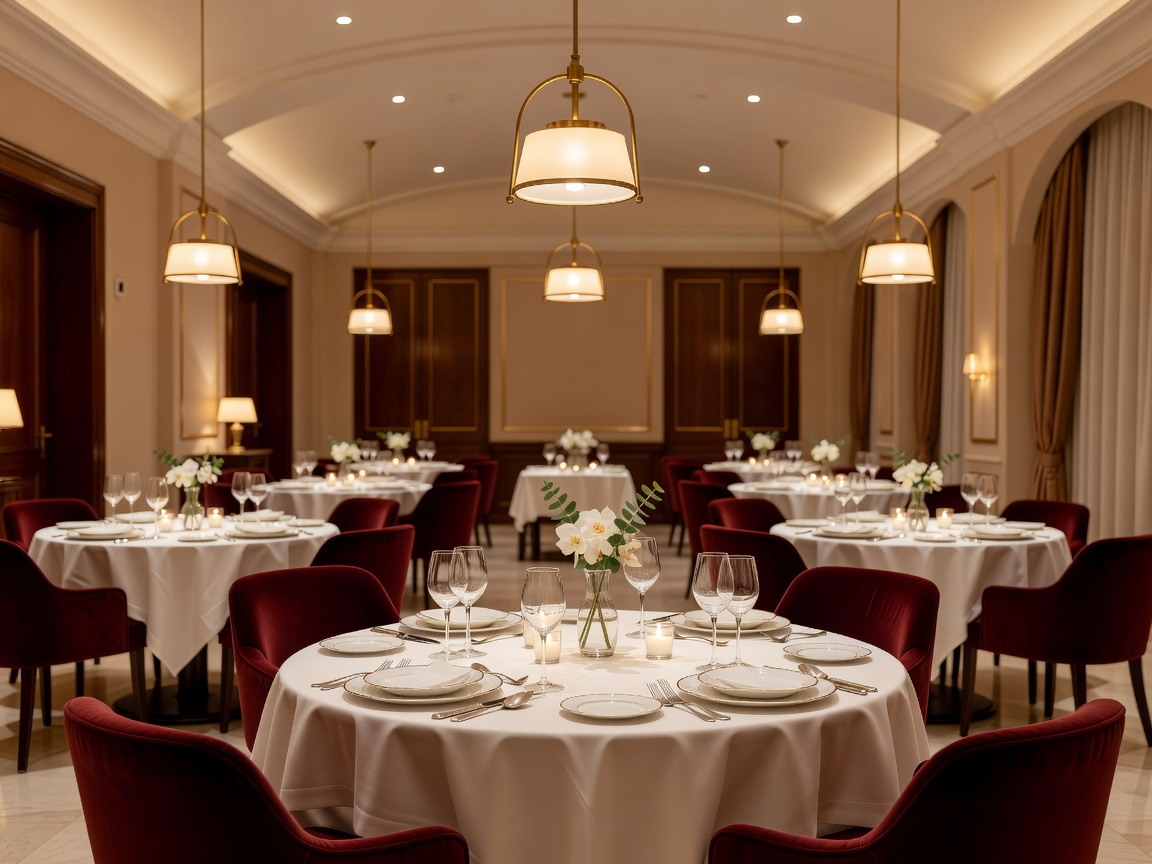
Hotel restaurants, bars, cafés and room service—where available—operate according to their own arrangements. A restaurant may open only during selected periods, and room service may not be offered at all. Confirm current service hours, whether booking is required and what options remain when you arrive late. Do not rely on an old review or assume an airport outlet will be open overnight.
Breakfast needs the same check. Ask when service begins and whether an early or packed option is actually provided for your booking. If you have dietary requirements, explain them directly and ask what can be accommodated. The hotel’s answer is more useful than assuming a menu or special meal is available. Also consider whether the time needed for breakfast leaves enough margin for your terminal transfer and airline check-in.
Workspace: look beyond the word “desk”
If you need focused work, ask whether the room has a usable desk or table, a supportive chair and accessible power outlets. For a short email session, a compact surface may be enough; for extended work, ergonomics matter more. Confirm how Wi-Fi is provided, whether there are access steps or limits and whether the hotel can describe reliability. Avoid assuming a particular speed or uninterrupted service unless the property confirms it.
Power adaptors and charging needs are worth planning for. Ask about outlets near the desk and bed if that matters. If you need quiet for calls, ask whether a private or quieter area exists and whether it can be booked. Meeting rooms and business facilities are not universal, and their availability, use terms and charges should be checked with the property.
Compare an overnight stay with a work-focused stay
| Priority | Overnight comfort focus | Work-focused stay |
|---|---|---|
| Meal timing | Late arrival food and early breakfast matter. | Reliable meal breaks around work blocks matter. |
| Room setup | Bed, blackout, quiet and climate are central. | Desk, chair, lighting and reachable power matter. |
| Connectivity | Basic access may suit occasional planning. | Verify access and suitability for calls or larger files. |
| Shared facilities | Restaurant access can simplify a short stay. | Ask about meeting rooms or quiet work areas. |
Balancing work, food and the transfer
On a long layover, it can be tempting to fill every available hour with work. Make the transport and rest window visible in your plan. Include time to check out, retrieve bags, reach the correct terminal and follow airport procedures. A hotel workspace does not make the return trip disappear. If your meeting has a fixed start, consider whether your connection has enough contingency for delays.
For video calls, think about background noise, privacy, lighting and whether the room’s connection is suitable for the call. Have a backup such as phone data only if your plan supports it and coverage is confirmed; do not assume that it will. When work is mission-critical, ask the property about the facilities and consider an alternative workspace you can verify.
Pros and trade-offs
- On-site dining: reduces the need to travel for a meal, but hours may not match flights.
- Room service: can be convenient where offered, but availability and menu are property-specific.
- In-room desk: offers privacy, but comfort and connectivity should be checked.
- Meeting space: may support calls or collaboration, but access and booking conditions vary.
Before you book
- When are restaurant, café and breakfast services currently available?
- Is late-night food or room service offered on my date?
- Can dietary requirements be discussed in advance?
- Does the room have a desk, suitable chair and reachable outlets?
- What should I know about Wi-Fi access and meeting facilities?
- Will I have enough time to eat or work and still reach my terminal?
NEXT STEP
Give your rest window a place in the schedule.
Compare food and work with your actual arrival, checkout and transfer times.
Build a layover plan →